 Palermo Hub
Tactical Tweaks for Palermo: Enhancing Fluidity and Creativity
As the Rosanero continue their journey in the league, recent performances have highlighted both strengths and weaknesses in their tactical setup. While Palermo has shown resilience, especially in defense, the attacking phase remains a concern, often lacking fluidity and creativity. To address these issues, a few tactical tweaks could make a significant difference.
Current Formation and Tactical Approach
Palermo has predominantly utilized a 4-3-3 formation, which allows for width and quick transitions. However, the effectiveness of this setup has been compromised by a lack of movement off the ball and predictable attacking patterns. By maintaining the core of this formation but introducing minor adjustments, they can maximize their attacking potential.
Suggested Tweaks
1. Fluid Movement in Attack
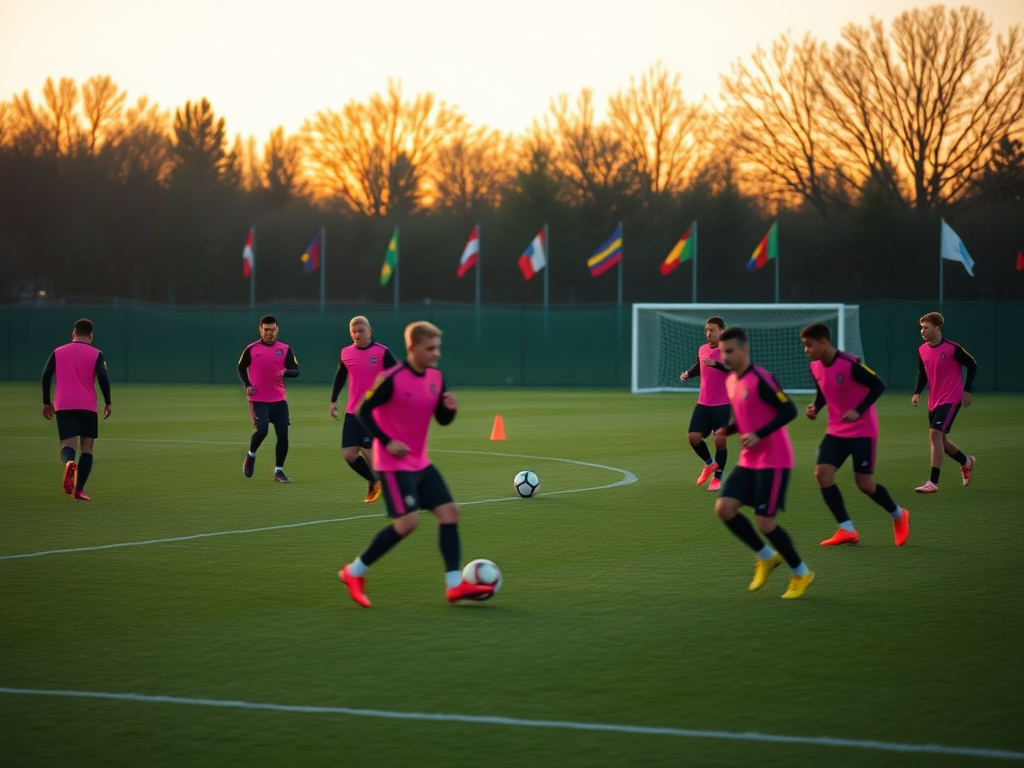
One of the primary adjustments should focus on encouraging more fluid movement among the front three. Currently, the attacking trio often appears static, making it easier for opposition defenses to anticipate their actions. Encouraging players to interchange positions can create confusion for defenders and open up spaces in the final third. For instance, if Giacomo Corona drifts into central areas, it could free up the flanks for an overlapping full-back like N. Balagušs, creating more dynamic attacking opportunities.
2. Midfield Rotation
The midfield trio, particularly with the presence of Francesco Di Bartolo Zuccarello, has the potential to dominate possession. However, there are instances where the midfielders can become isolated. Introducing a more rotational approach, where midfielders frequently switch roles—one dropping deep while another pushes forward—can help maintain the team's shape while also creating options for penetrating passes. This kind of movement can disrupt the opposition's midfield structure and allow for more effective link-up play with the forwards.
3. Full-Back Involvement
The role of the full-backs in the current system is crucial. While they contribute defensively, their involvement in attack often lacks urgency. Encouraging both full-backs to push higher up the pitch and support the wingers can help stretch the opposition. This tactic can be particularly effective against teams that sit deep, as it forces defenders to make difficult decisions, opening up space for the likes of Balagušs and other attackers to exploit.
Emphasizing Set Pieces
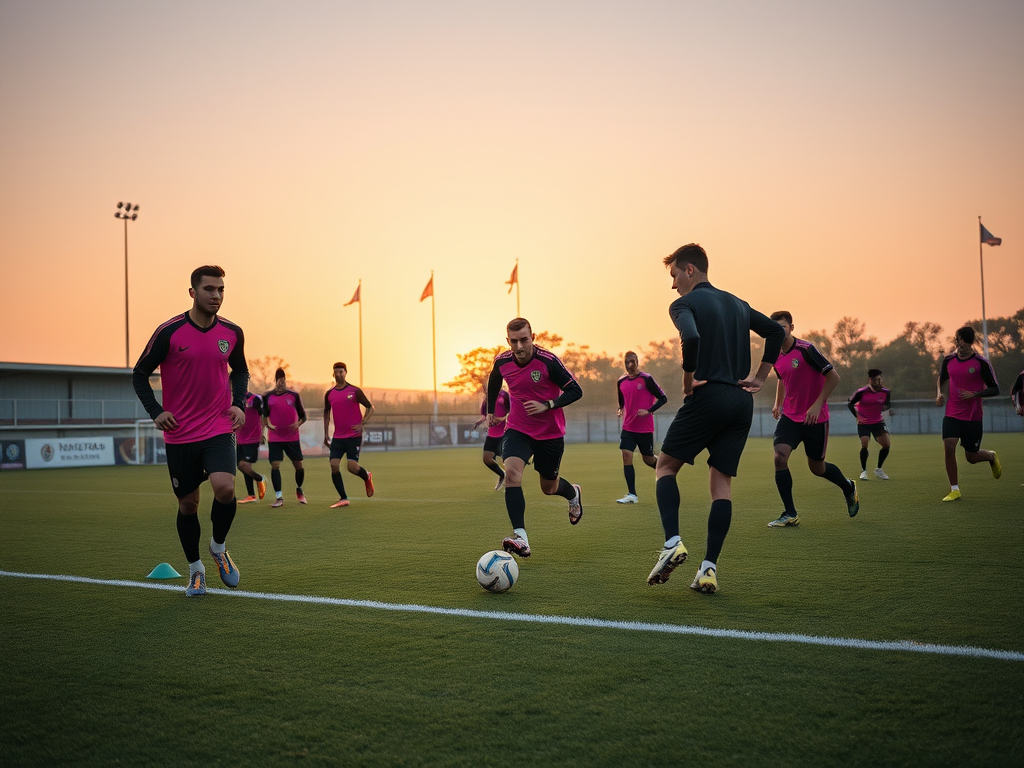
Another area for improvement lies in set pieces, both offensively and defensively. Palermo has the height and physicality to pose a threat during corners and free-kicks but has underutilized this aspect. Investing time in rehearsing set-piece routines can lead to crucial goals in tightly contested matches. Conversely, ensuring that defensive organization remains tight during set pieces is vital to avoid conceding unnecessary goals.
Conclusion
In summary, while the Rosanero have displayed solid performances at times, enhancing their attacking fluidity and creativity is essential for sustained success in the league. By implementing these tactical tweaks—fostering fluid movement in attack, encouraging midfield rotation, maximizing full-back involvement, and sharpening set-piece strategies—Palermo can reinvigorate their play and push for higher standings. With the right adjustments, the Rosanero can transform their style and make a significant impact in their upcoming matches.